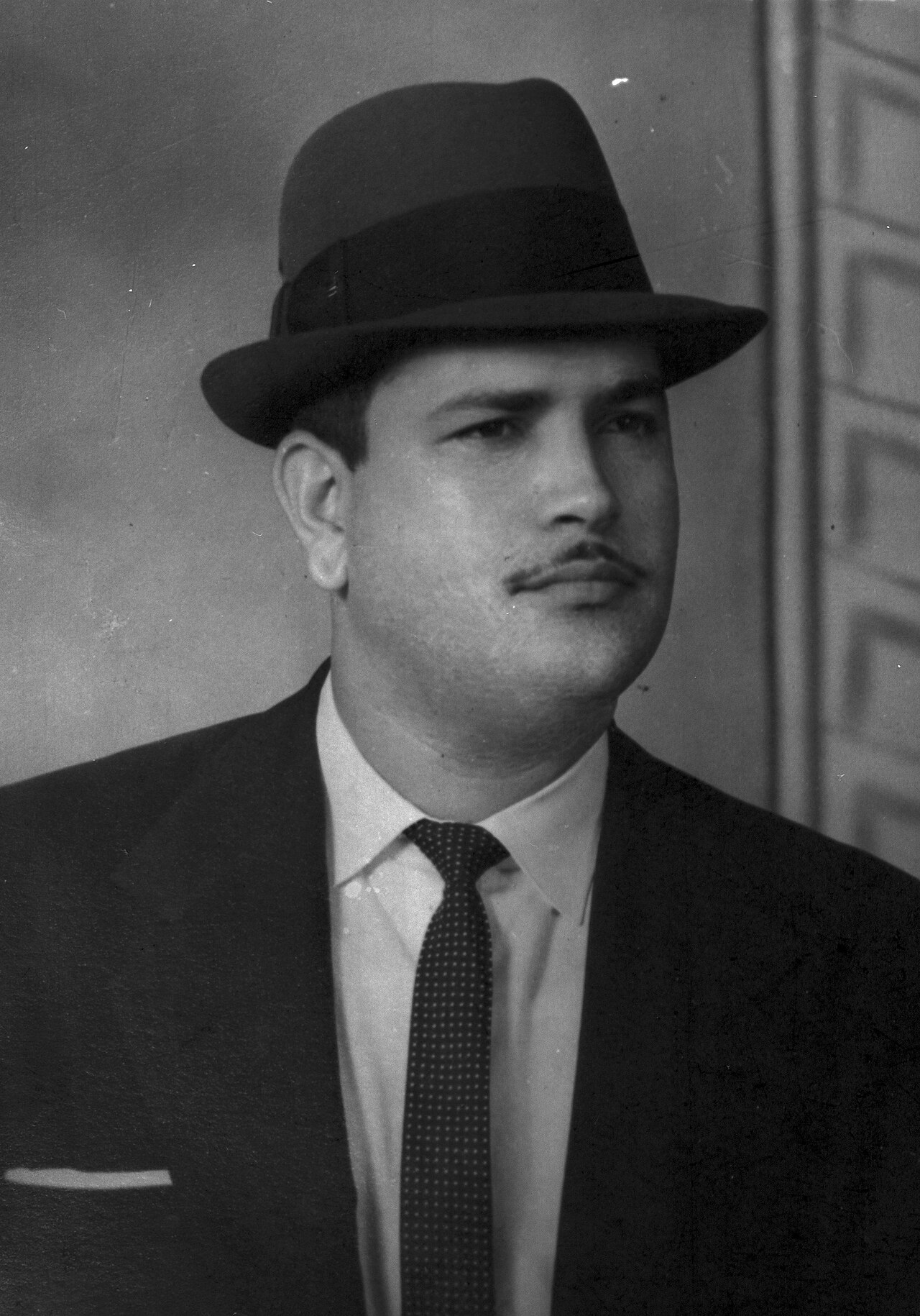
Francisco Caamaño
Dominican soldier and constitutional president during the 1965 civil war.

Unknown author · Public domain
Francisco Alberto Caamaño Deñó (June 11, 1932 – February 16, 1973) was a Dominican soldier and politician who took the constitutional presidency of the Dominican Republic during the Civil War of 1965. During the war, which began on April 24, 1965, Caamaño was one of the leaders in the movement to restore the democratically elected President Prof. Juan Bosch, who had been overthrown in a military coup d'état in September 1963. Caamaño was the son of General Fausto Caamaño Medina; his father was cousin of Juan Pablo Medina de los Santos, the father of both former President Danilo Medina Sánchez and House Speaker Lucía Medina Sánchez.
- born
- June 11, 1932, San Juan de la Maguana
- died
- February 16, 1973
- field
- Military, Politics
- nationality
- Dominican
- known_for
- Constitutional presidency during the 1965 Dominican Civil War
Verified Timeline
Lore & Background
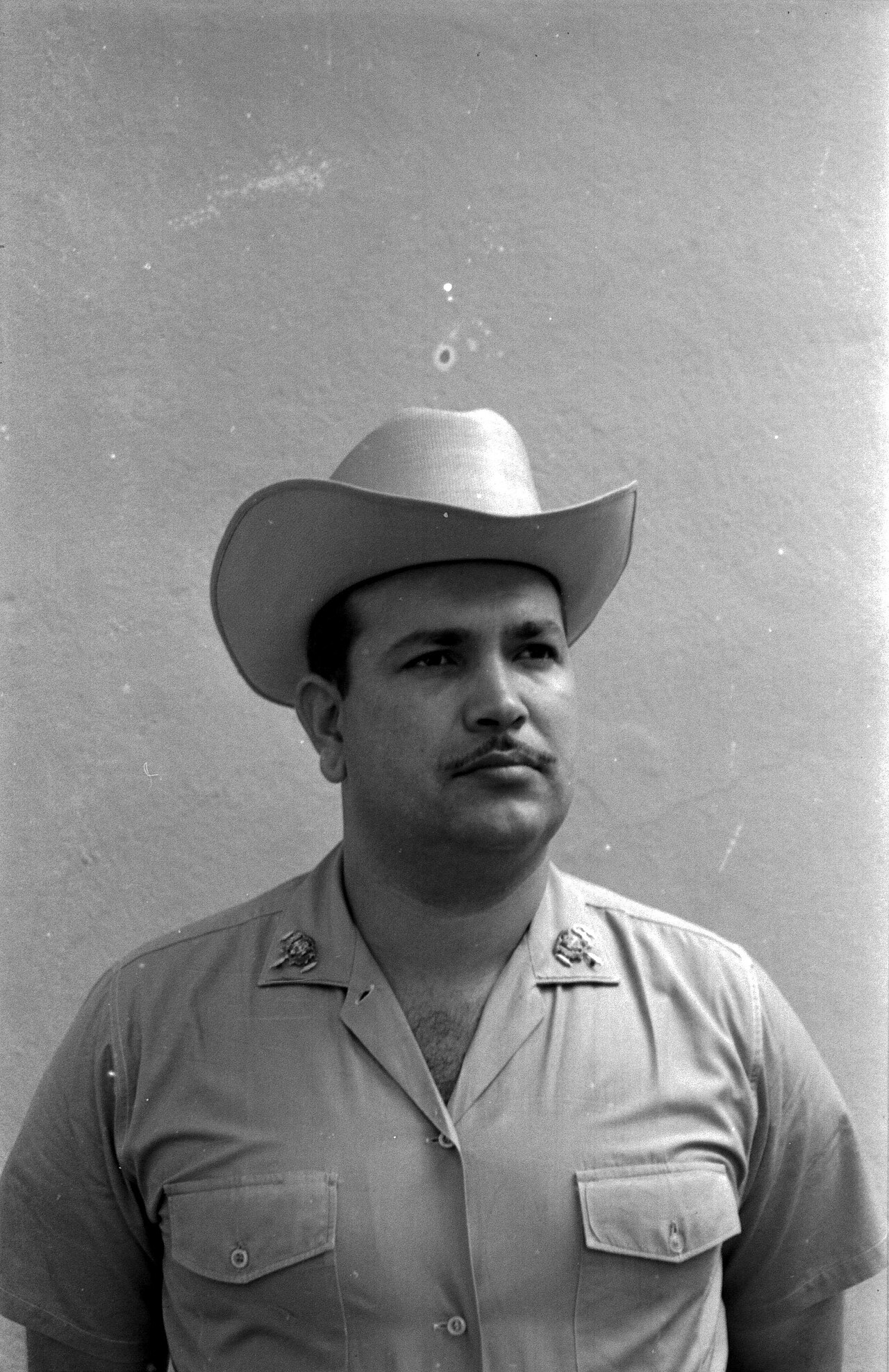
Caamaño was born on June 11, 1932, in San Juan de la Maguana, the son of General Fausto Caamaño Medina, who died in 1986. His father was a prominent military man during the dictatorship of Rafael Leónidas Trujillo, holding the position of Secretary of State for the Armed Forces from 1952 to 1955. Caamaño entered the Dominican Navy at a young age, graduating as Ensign and advancing rapidly. During the last years of the Trujillo Era, he commanded the White Helmeted Corps of the National Police. He married María Paula Acevedo Guzmán, known as Chiquita, in 1958; the couple had three children: Alberto Alexander, Francis Alexander, and Paola Alexandra (born 1967). During the civil war that began on April 24, 1965, he was one of the leaders in the movement to restore democratically elected President Dr. Juan Bosch. This faction of loyalists came to be known as the Constitucionalistas. As the Constitucionalistas seized and held Santo Domingo, U.S. President Lyndon Johnson ordered an invasion by the U.S. military, dubbed Operation Power Pack, citing the need to protect American citizens and the fear of a communist regime—a risk of 'another Cuba.' After months of fighting, Caamaño and his men consented to a reconciliation agreement. Both Caamaño and his rival, loyalist President Antonio Imbert Barrera, resigned from office on August 30, 1965, succeeded by provisional president Héctor García-Godoy. García-Godoy sent Caamaño as Military Attaché to the Dominican Embassy in the United Kingdom. While there, he was contacted by Cuban officials and fled to Cuba to start a guerrilla group, with a support group led by Amaury German Aristy. In early 1973, Caamaño led the landing of a small group of rebels at Playa Caracoles, near Azua, into the mountains of the Cordillera Central, aiming to start a peasant revolution to overthrow President Joaquín Balaguer. After a few weeks of guerrilla war, the group was outmaneuvered by the Dominican Army and wiped out with heavy artillery and airplanes. Caamaño was wounded, captured, and summarily executed. Some twenty years passed before he was officially honored by the Dominican government as a hero. Today, there is an avenue in Santo Domingo that bears the name Presidente Caamaño, and a metro station named after him.
Reader's Guide
Francisco Caamaño's significance lies in his role as a central figure in the 1965 Dominican Civil War, embodying the struggle for constitutional democracy against military rule. His brief presidency, though contested, represented the Constitucionalista attempt to restore the elected government of Juan Bosch after the 1963 coup. Caamaño's subsequent guerrilla campaign and death in 1973 underscored the ongoing repression under Joaquín Balaguer, whose regime recalled the Trujillo era. His legacy evolved from that of a rebel to a national hero, commemorated in Santo Domingo's urban landscape. The entry preserves the article's uncertainty about the de jure status of his presidency and the motivations behind the U.S. intervention, reflecting the complexity of his historical impact.
Did You Know?
- Caamaño's father, General Fausto Caamaño Medina, served as Secretary of State for the Armed Forces (Minister of Defense) from 1952 to 1955 during the Trujillo dictatorship.
- Caamaño commanded the White Helmeted Corps of the National Police during the last years of the Trujillo Era.
- He married María Paula Acevedo Guzmán, known as Chiquita, in 1958, and they had three children: Alberto Alexander, Francis Alexander, and Paola Alexandra (born 1967).
- After resigning the presidency on August 30, 1965, Caamaño was sent as Military Attaché to the Dominican Embassy in the United Kingdom, then fled to Cuba to organize a guerrilla group.
- Caamaño was wounded, captured, and summarily executed on February 16, 1973, after leading a small rebel landing at Playa Caracoles near Azua.
Military Bloodlines and a Young Officer's Path
Francisco Alberto Caamaño Deñó entered the world on June 11, 1932, in San Juan de la Maguana, into a family where the uniform was practically hereditary. His father, General Fausto Caamaño Medina, had risen to serve as Secretary of State for the Armed Forces under Rafael Trujillo's dictatorship, holding that post from 1952 to 1955 and collecting the regime's highest military decorations along the way. The broader kinship web included his uncle Pedro Plutarco Caamaño Medina and a relative, Jorge Casimiro Fernández Medina, who served as a lieutenant colonel in the Dominican Army. This dense network of military connections shaped Caamaño's own trajectory: he joined the Dominican Navy at a young age, graduated as an Ensign, and climbed the ranks with notable speed. In the final stretch of the Trujillo era, he was placed in command of the White Helmeted Corps of the National Police. In 1958 he married María Paula Acevedo Guzmán, affectionately called Chiquita, and the couple went on to raise three children—Alberto Alexander, Francis Alexander, and Paola Alexandra, who was born in 1967.
The Constitucionalistas and a Brief Presidency
This coalition of loyalists became known as the Constitucionalistas, defined by their commitment to restoring constitutional governance against the ruling military junta. In the war's opening days, the Constitucionalistas seized and held Santo Domingo, but U.S. President Lyndon Johnson ordered a military invasion under Operation Power Pack, officially justified as protecting American citizens. A more consequential motivation was the fear that the movement might bring about a communist government—a scenario Washington would not tolerate. Despite being vastly outnumbered and outgunned, Caamaño functioned as the de facto, and arguably de jure, president of the Dominican Republic. After months of fighting, he and his men consented to a reconciliation accord. In the months that followed, threats persisted, including a particularly violent assault at the Hotel Matum in Santiago de los Caballeros. Under a U.S.-brokered agreement, both Caamaño and his rival Antonio Imbert Barrera resigned on August 30, 1965, and Héctor García-Godoy assumed the provisional presidency.
Exile, Guerrilla Ambitions, and a Fatal Landing
After the 1965 conflict, Provisional President Héctor García-Godoy dispatched Caamaño as Military Attache to the Dominican Embassy in the United Kingdom. While stationed there, he was approached by Cuban officials and subsequently fled to Cuba, where he began organizing a guerrilla force. A support network led by Amaury German Aristy was expected to create the conditions for a successful landing of Caamaño's command back in the Dominican Republic. After several years of maintaining a low profile, Caamaño finally acted in early 1973. He led a small group of rebels in a landing at Playa Caracoles, near Azua, and pushed into the mountains of the Cordillera Central with the aim of igniting a peasant revolution against President Joaquín Balaguer. Balaguer's government was repressive and highly centralized, evoking for many the memory of the Trujillo regime under which Balaguer had served as a close adviser and puppet president. The guerrilla campaign lasted only a few weeks. The peasants showed little interest in joining the cause, and the Dominican Army outmaneuvered the small rebel force. In the final engagement, which involved heavy artillery and even airplanes, Caamaño was wounded, captured, and summarily executed on February 16, 1973.
Posthumous Recognition and Lasting Memory
For roughly two decades after his execution, Caamaño's name carried little official weight in the Dominican Republic. It was only after some twenty years had passed that the Dominican government formally honored him as a hero for his attempts to restore rightful, constitutional government to the country. That belated recognition eventually took tangible form in the capital. In Santo Domingo, a thoroughfare along the western bank of the Ozama River harbor—close to where the waterway meets the Caribbean Sea—now carries his name as Presidente Caamaño. In addition, a metro station in the city has been dedicated to him, ensuring that his memory is woven into the daily commute of thousands of residents. These public dedications stand as a quiet but enduring acknowledgment of a man who, from the halls of the Navy to the mountains of the Cordillera Central, spent his adult life attempting to defend the democratic institutions of his nation—first against a military junta in 1965 and later against what he and many others saw as a repressive, Trujillo-like regime under Balaguer in the early 1970s.
Gallery
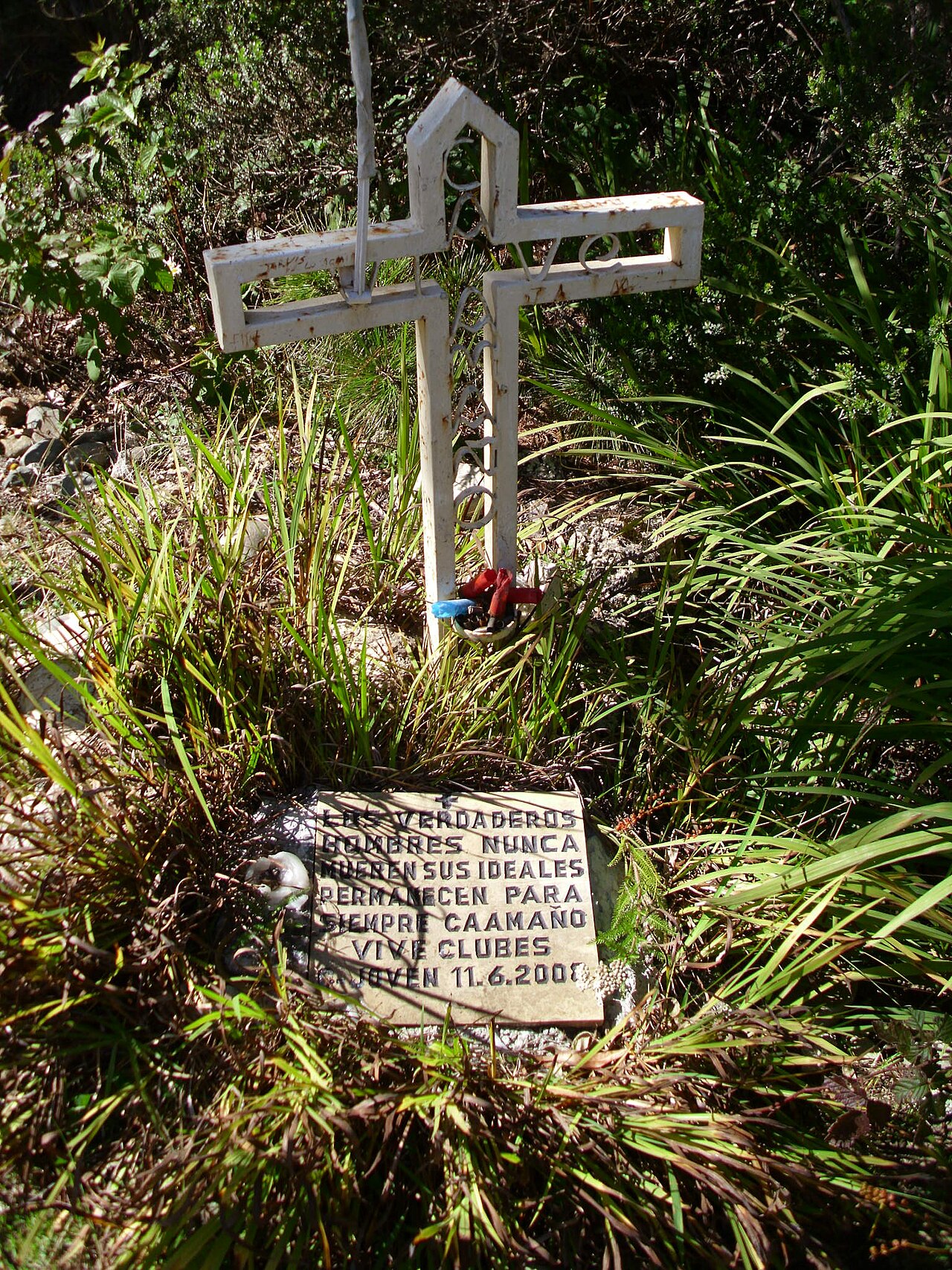
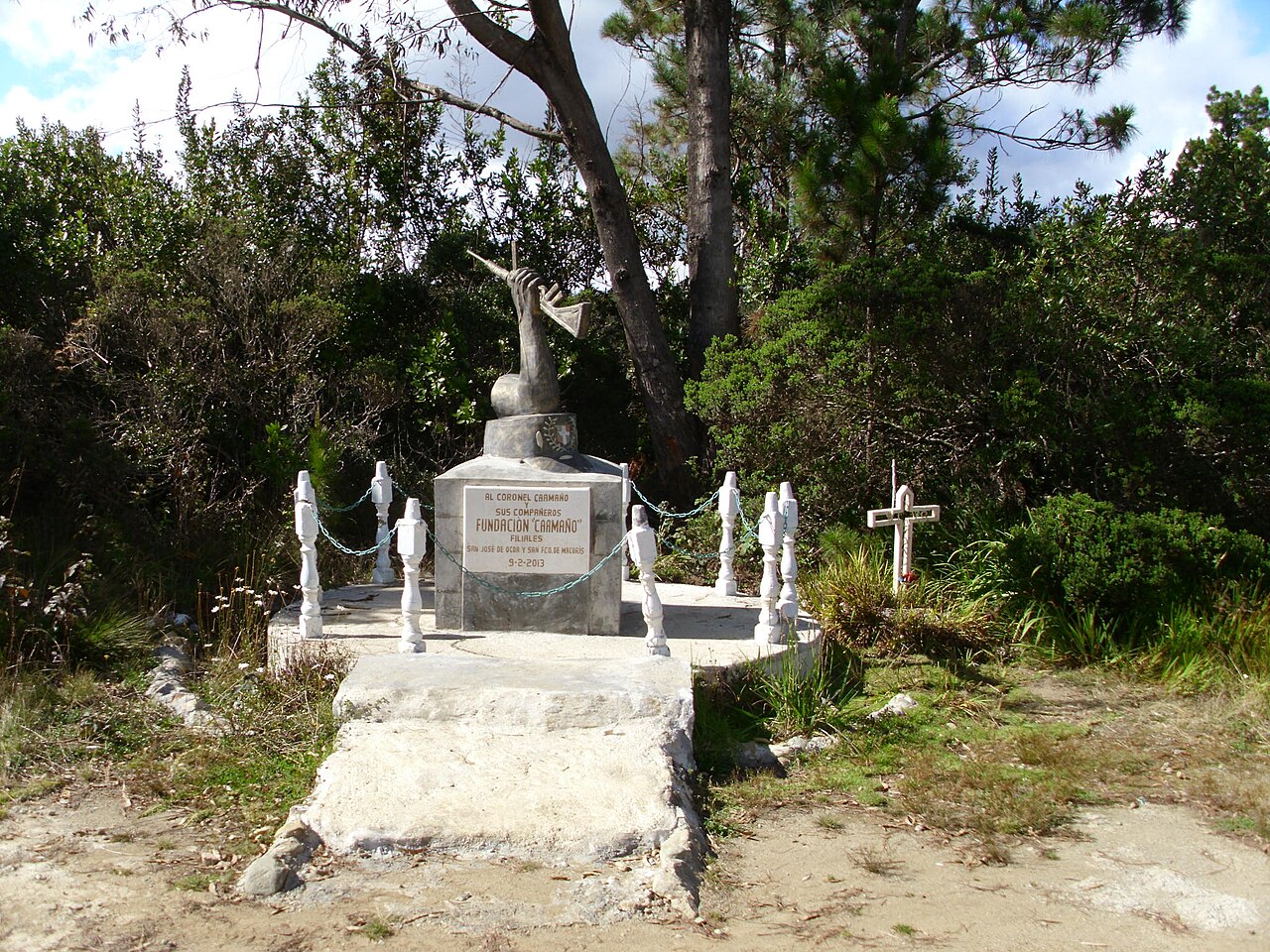
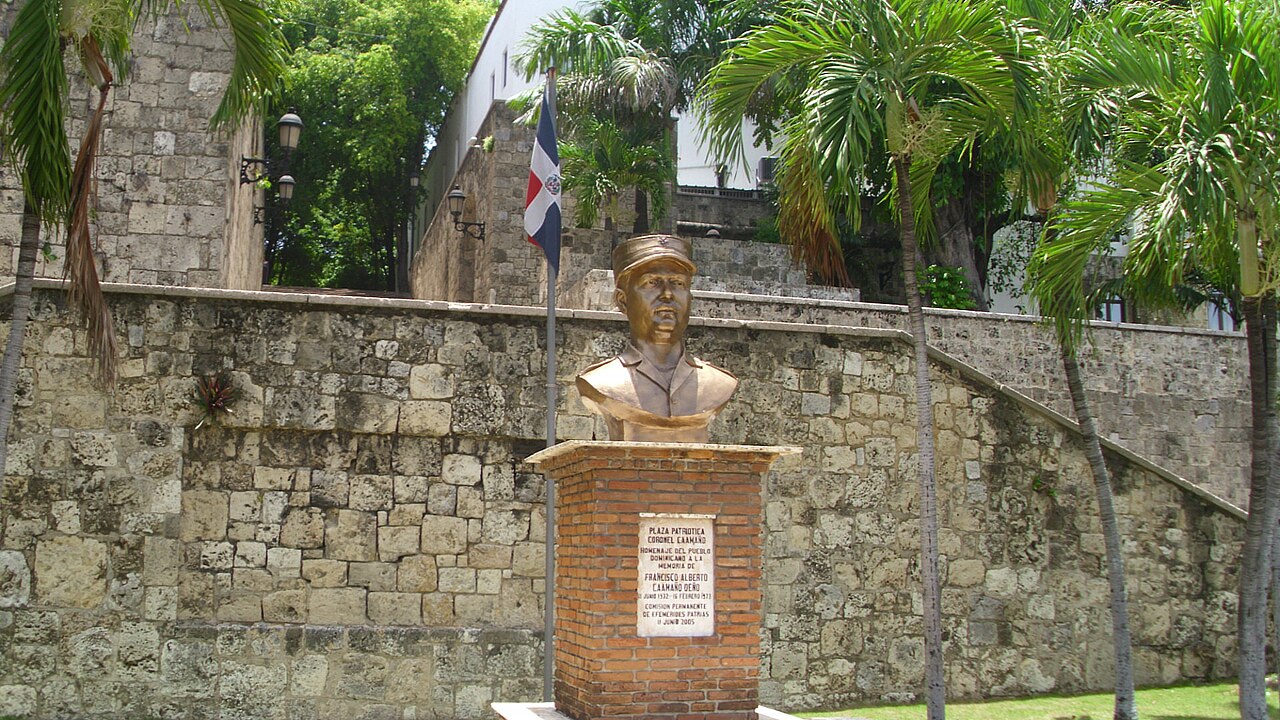
Frequently Asked Questions
Who is Francisco Caamaño?
Francisco Alberto Caamaño Deñó was a Dominican soldier and politician born on June 11, 1932, in San Juan de la Maguana. He is best known for serving as the constitutional president of the Dominican Republic during the 1965 Civil War.
What was Francisco Caamaño's role in the 1965 Dominican Civil War?
He led the Constitucionalista movement, which fought to reinstate Juan Bosch, the democratically elected president who had been ousted in a 1963 military coup. His military background gave him the standing to command the pro-constitution forces during the conflict.
How did Francisco Caamaño's life end?
Caamaño died on February 16, 1973, roughly two years after the civil war concluded. His post-war years were marked by continued political involvement in Dominican affairs before his untimely passing.
Why is Francisco Caamaño important in the history of the Americas?
He stands as a symbol of the fight to restore democratic governance in the Dominican Republic after the 1963 coup. His leadership of the Constitucionalista side gave the 1965 conflict its central narrative of defending constitutional order against military rule.
What was Francisco Caamaño's field and nationality?
He was a Dominican national whose work spanned both the military and politics. His dual identity as an officer and a political figure made him a natural leader for the constitutionalist cause in 1965.
More in Revolutionaries And Activists Of The Americas 1-24
Elsewhere in the Revolutionaries And Activists Of The Americas universe
Spotted an error? Know more?
This is a living reference — every entry is fact-audited, and reader corrections feed straight into our audit queue. Suggest an edit · See this site's audit record