
Eugene V. Debs
Socialist activist and five-time U.S. presidential candidate.

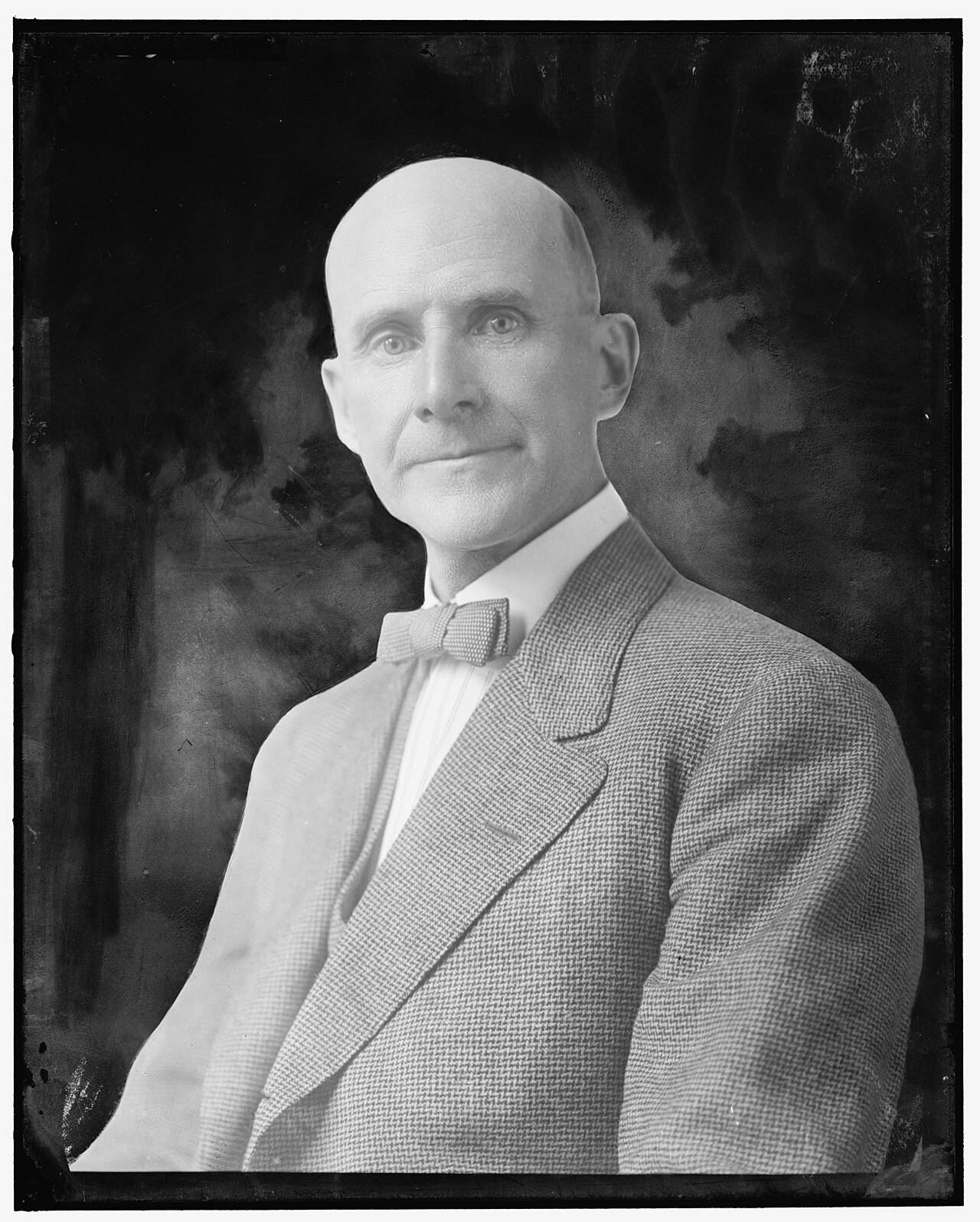
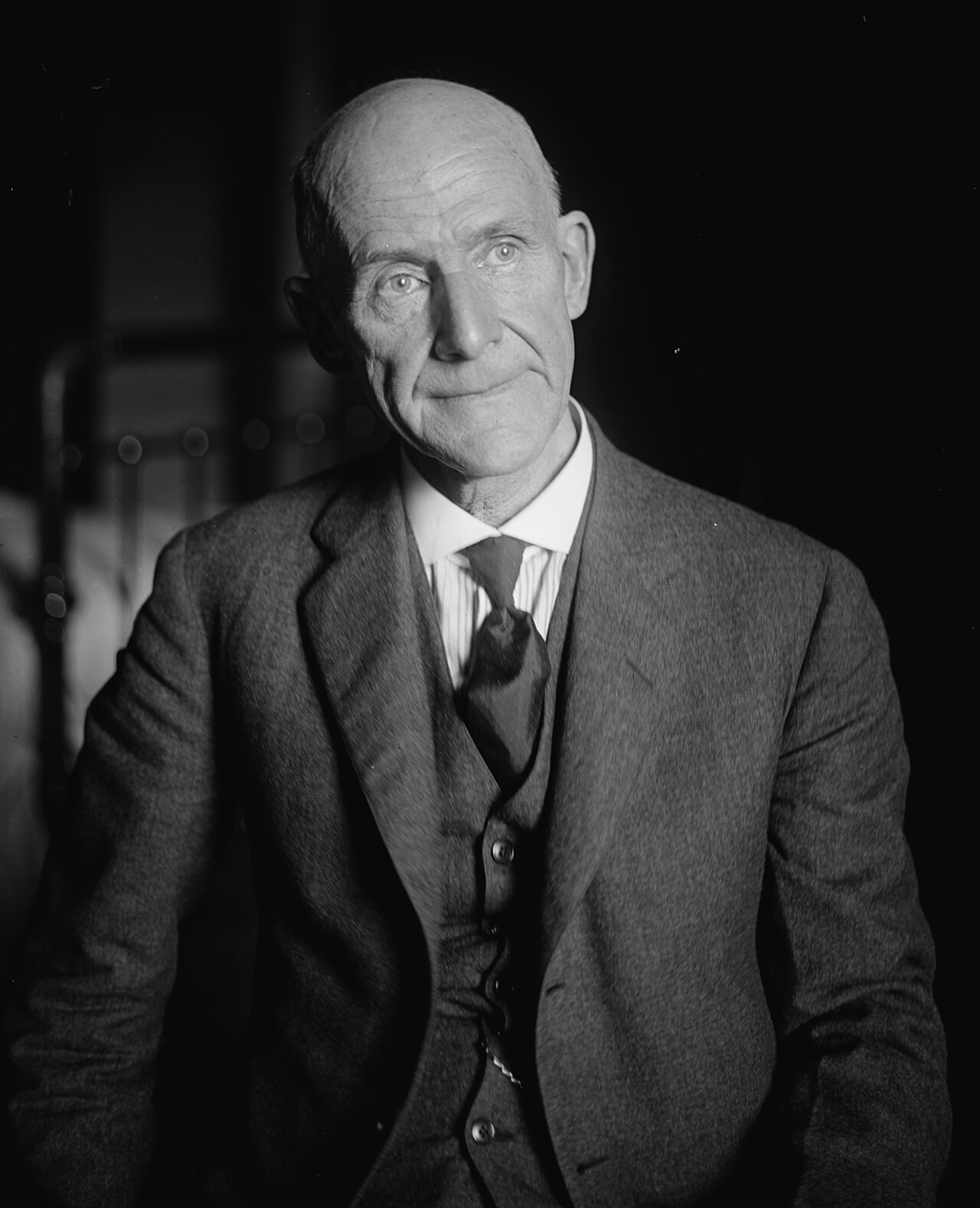
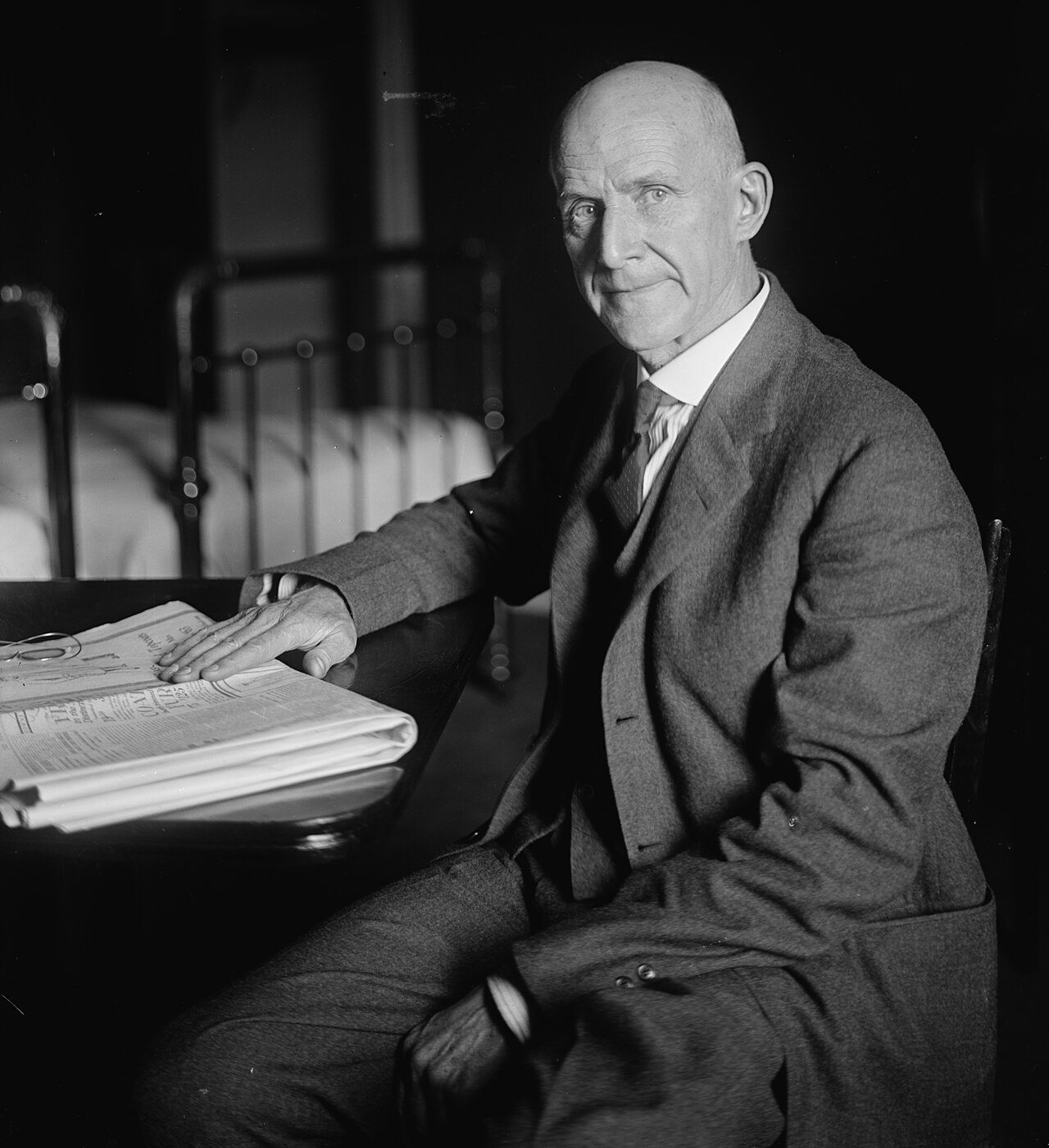
Harris & Ewing, photographer · Public domain
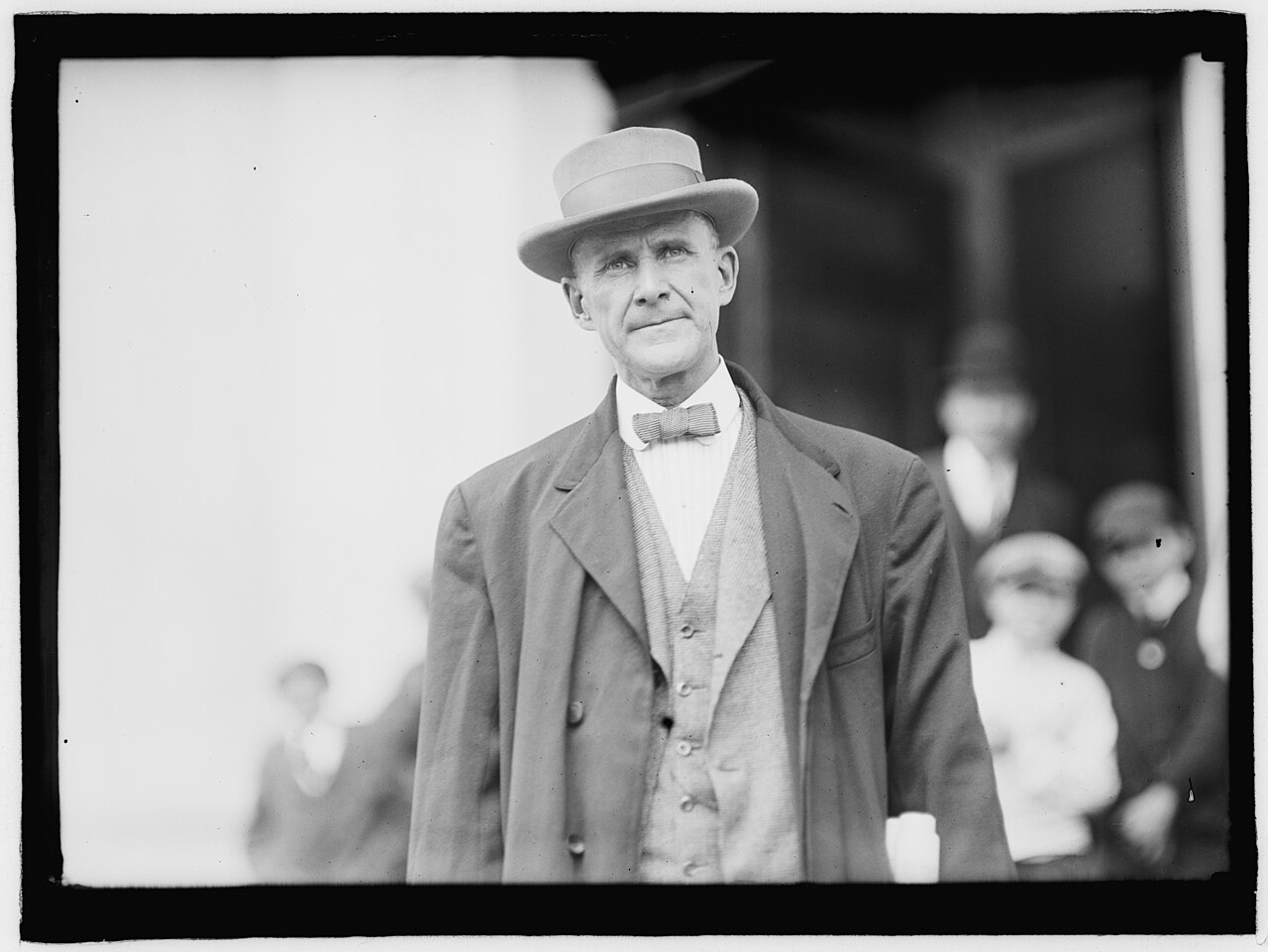
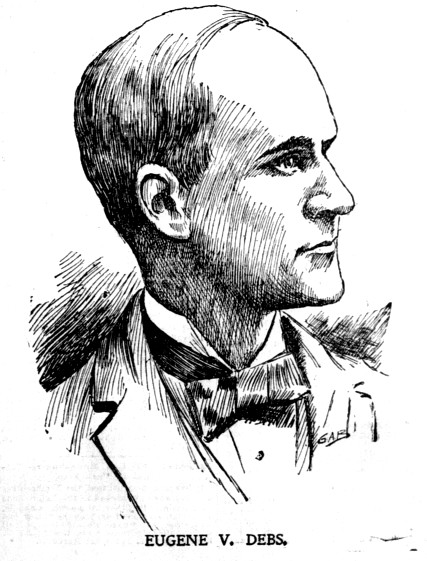
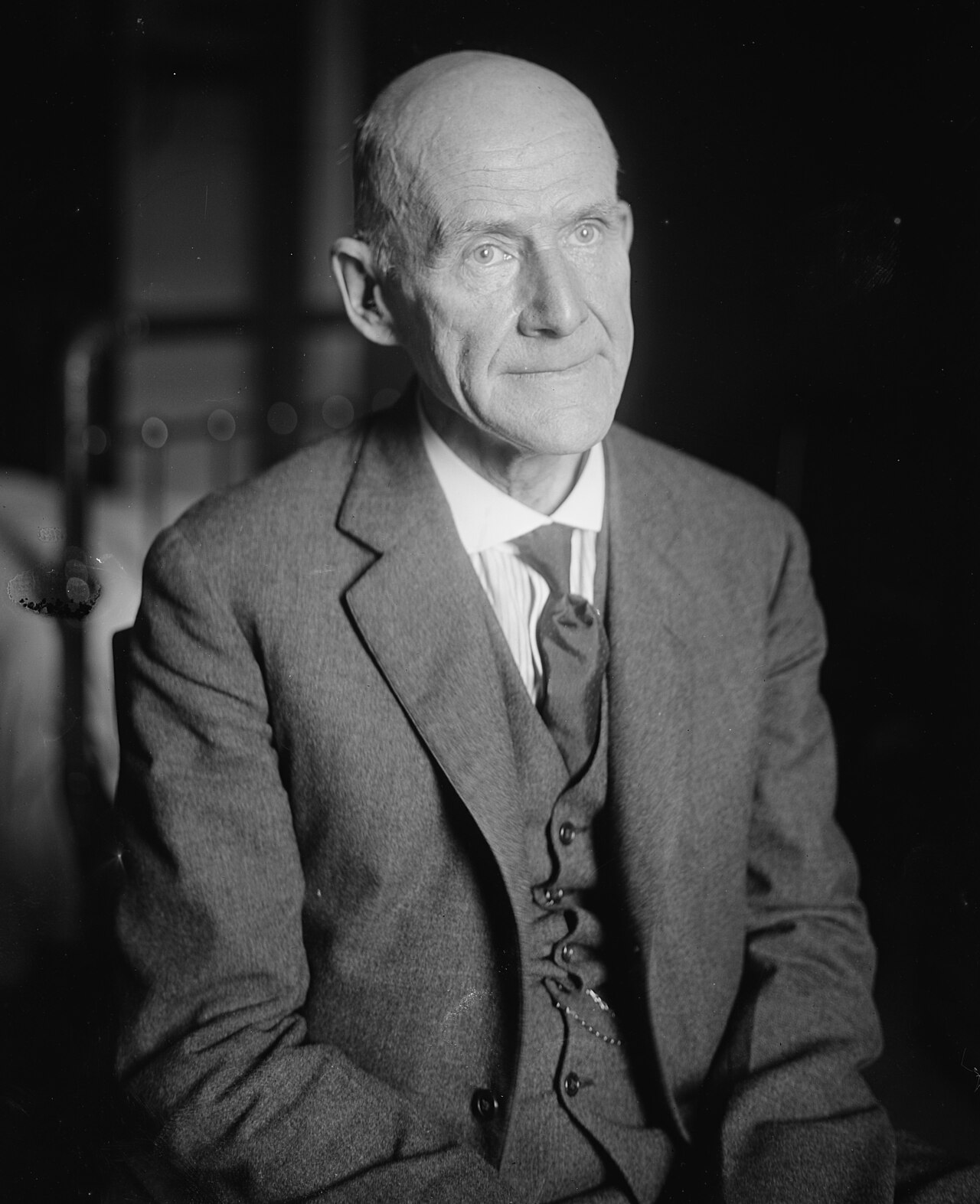
Eugene Victor Debs was an American socialist activist and trade unionist. He was one of the founding members of the Industrial Workers of the World (IWW) and a five-time candidate of the Socialist Party of America for President of the United States. Through his presidential candidacies as well as his work with labor movements, Debs eventually became one of the best-known socialists living in the United States.
- born
- November 5, 1855
- died
- October 20, 1926
- field
- Labor activism, socialist politics
- nationality
- American
- known_for
- Founding member of the IWW, five-time Socialist Party presidential candidate, le
Verified Timeline
Lore & Background
Eugene Victor Debs was born on November 5, 1855, in Terre Haute, Indiana, to Jean Daniel and Marguerite Mari Bettrich Debs, who emigrated from Colmar, Alsace, France. He dropped out of high school at age 14 and took a job with the Vandalia Railroad cleaning grease from the trucks of freight engines for fifty cents a day. In December 1871, he was pressed into service as a night fireman and remained a fireman for the next three and a half years. He joined the Brotherhood of Locomotive Firemen (BLF) in February 1875 and was elected associate editor of its monthly organ, Firemen's Magazine, in 1878. In July 1880, he was appointed Grand Secretary and Treasurer of the BLF and editor of the magazine. He was elected as a Democrat to the Indiana General Assembly in 1884, serving one term in 1885. Debs led his union in a major ten-month strike against the CB&Q Railroad in 1888. He was instrumental in the founding of the American Railway Union (ARU), one of the nation's first industrial unions. During the Pullman Strike of 1894, he led a boycott by the ARU against handling trains with Pullman cars, affecting most lines west of Detroit and more than 250,000 workers in 27 states. President Grover Cleveland used the United States Army to break the strike. Debs was convicted of federal charges for defying a court injunction against the strike and served six months in prison. In prison, Debs read various works of socialist theory and emerged six months later as a committed adherent of the international socialist movement. He was a founding member of the Social Democracy of America (1897), the Social Democratic Party of America (1898), and the Socialist Party of America (1901). He ran for president five times: 1900 (0.6 percent), 1904 (3.0 percent), 1908 (2.8 percent), 1912 (6.0 percent), and 1920 (3.4 percent), the last time from a prison cell. In 1918, he was arrested for a speech denouncing American participation in World War I, convicted under the Sedition Act of 1918, and sentenced to two 10-year prison terms. President Warren G. Harding commuted his sentence in December 1921, but his citizenship was not restored during his lifetime. Debs died in 1926, not long after being admitted to a sanatorium due to cardiovascular problems that had developed during his time in prison.
Reader's Guide
Eugene V. Debs is significant as a central figure in the American labor and socialist movements of the late 19th and early 20th centuries. His evolution from a conservative trade unionist who believed 'labor and capital are friends' and opposed strikes—the BLF had never authorized a strike from 1873 to 1887, a record of which Debs was proud—to a committed socialist after the Pullman Strike and his imprisonment illustrates a key transformation in American labor history. Debs helped found the American Railway Union, one of the nation's first industrial unions, and was a founding member of the Industrial Workers of the World and the Socialist Party of America. His five presidential campaigns for the Socialist Party brought socialist ideas to a national audience, and his 1920 campaign from a prison cell symbolized his defiance of wartime repression. His conviction under the Sedition Act of 1918 and subsequent loss of citizenship highlight the tensions between free speech and national security during World War I. Debs's legacy includes his role in advancing industrial unionism and his enduring status as a symbol of radical dissent in American politics.
Did You Know?
- Debs was named after the French authors Eugène Sue and Victor Hugo.
- He dropped out of high school at age 14 and began working for the Vandalia Railroad cleaning grease from freight engine trucks for fifty cents a day.
- Debs was elected as a Democrat to the Indiana General Assembly in 1884 and served one term in 1885.
- While in prison for the Pullman Strike, Debs read socialist theory and emerged as a committed adherent of the international socialist movement.
- In 1920, Debs ran for president from a prison cell and received 3.4 percent of the popular vote.
From the Railroad Shops to the Front Lines of Labor
Eugene Victor Debs entered the world in Terre Haute, Indiana, in 1855, the son of French emigrants from Colmar in Alsace. His parents, a prosperous Protestant family, had owned a textile mill and meat market. The boy was named for two celebrated French writers, Eugène Sue and Victor Hugo. He left public school at fourteen and found his footing on the Vandalia Railroad, first scrubbing grease from freight engines for fifty cents a day, then serving as a night fireman between Terre Haute and Indianapolis. By 1880 he had risen to Grand Secretary and Treasurer of the Brotherhood of Locomotive Firemen, editing its monthly publication while simultaneously serving two terms as Terre Haute's city clerk and a single term in the Indiana General Assembly as a Democrat. Yet his early philosophy was remarkably moderate: he championed temperance and self-reliance, insisted that labor and capital were natural allies, and took pride in the brotherhood's record of never authorizing a strike. That conviction shattered in 1888, when a bitter ten-month walkout against the CB&Q Railroad left him convinced that craft-based brotherhoods were too fragmented to confront the railroads' economic power.
The Pullman Strike and the Price of Defiance
The summer of 1894 brought a wildcat walkout at the Pullman Palace Car Company, triggered by pay cuts that workers refused to accept. Seizing the moment, Debs enrolled thousands of those strikers into the American Railway Union, the industrial organization he had helped build as one of the nation's earliest. What followed was a boycott of extraordinary scope: no ARU member would touch a train carrying Pullman cars. The action rippled across the country, paralyzing most rail lines west of Detroit and drawing in more than a quarter-million workers spread over twenty-seven states. President Grover Cleveland, citing the need to keep the mails moving, dispatched the United States Army to restore service. Debs, as the ARU's principal figure, was hauled before federal authorities on charges of defying a court injunction that had been issued against the strike. He lost the case and spent six months behind bars. That incarceration, far from silencing him, became the crucible in which his political convictions were forged.
Five Runs for the White House
The six months Debs spent in federal custody for the Pullman affair proved transformative. Immersing himself in the writings of socialist theorists, he walked out a committed adherent of the international socialist movement. He threw his organizational energy into building the movement's political infrastructure, helping found the Social Democracy of America in 1897, the Social Democratic Party of America in 1898, and ultimately the Socialist Party of America in 1901. From that platform he launched five presidential campaigns that made him the most recognizable socialist in the country. His popular-vote shares climbed steadily: 0.6 percent in 1900, 3.0 percent in 1904, 2.8 percent in 1908, and a peak of 6.0 percent in the fractured 1912 election. His fifth and final bid, in 1920, was conducted from a prison cell, where he had been incarcerated for opposing the war. Between those runs he also sought a seat in the U.S. House of Representatives from Indiana in 1916. Though he never came close to winning the presidency, his candidacies gave a national voice to workers' grievances and cemented his status as a defining figure in American political history.
War, the Sedition Act, and a Final Reckoning
Debs was widely regarded as a master orator, and it was precisely that gift that sealed his fate in 1918. A speech in which he denounced American entry into the First World War drew the attention of federal prosecutors. He was arrested, tried, and convicted under the Sedition Act of 1918 on the grounds that he had encouraged young men to resist the draft. The court stripped him of his American citizenship and handed down two consecutive ten-year sentences. President Warren G. Harding, in December 1921, commuted the remainder of his prison term, yet he never saw his citizenship formally restored. Debs lived out his final years in relative obscurity. In 1926, cardiovascular problems that had taken root during his years of incarceration forced his admission to a sanatorium, where he died on October 20. He was seventy years old. The man who had once cleaned grease from railroad trucks and edited a union magazine had become a symbol of conscience and dissent, but the government that had imprisoned him never fully made amends before his passing.
Gallery
Frequently Asked Questions
Who is Eugene V. Debs?
Eugene Victor Debs (1855–1926) was an American labor organizer and socialist politician who spent his career championing workers' rights. He ran for U.S. president five times under the Socialist Party banner, making him one of the most recognizable left-wing figures in American history.
What role did Eugene V. Debs play in the labor movement?
Debs was a founding member of the Industrial Workers of the World and the public face of the 1894 Pullman Strike. Through both union organizing and electoral politics, he became the leading voice for organized labor in the late nineteenth and early twentieth centuries.
How does Eugene V. Debs's story end?
He died on October 20, 1926, in his early seventies. His passing marked the end of a generation of radical labor leadership, though his ideas continued to influence socialist and union movements well into the twentieth century.
Why is Eugene V. Debs important to activists today?
His repeated presidential campaigns forced mainstream politics to confront socialist and labor demands at a time when those ideas were largely dismissed. For modern activists, he stands as a model of linking grassroots union work with national political organizing.
What was Eugene V. Debs's connection to the Pullman Strike?
He organized and publicly led the 1894 railroad workers' walkout against the Pullman Company, an event that thrust him into the national spotlight. The strike ultimately led to his arrest and imprisonment for defying a federal court order, which further cemented his reputation as a fearless labor leader.
More in Revolutionaries And Activists Of The Americas 1-24
Elsewhere in the Revolutionaries And Activists Of The Americas universe
Spotted an error? Know more?
This is a living reference — every entry is fact-audited, and reader corrections feed straight into our audit queue. Suggest an edit · See this site's audit record