
Ida B. Wells
Investigative journalist who exposed lynching and fought for civil rights.

Choinowski · CC BY-SA 4.0
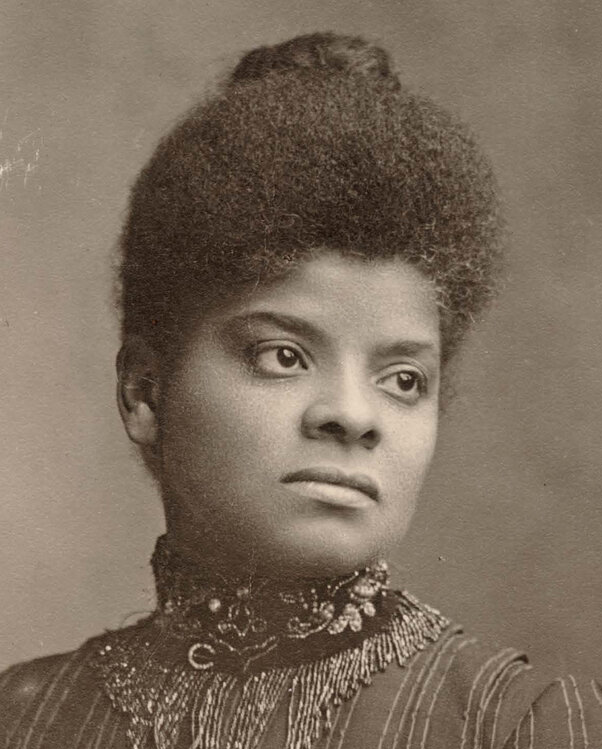
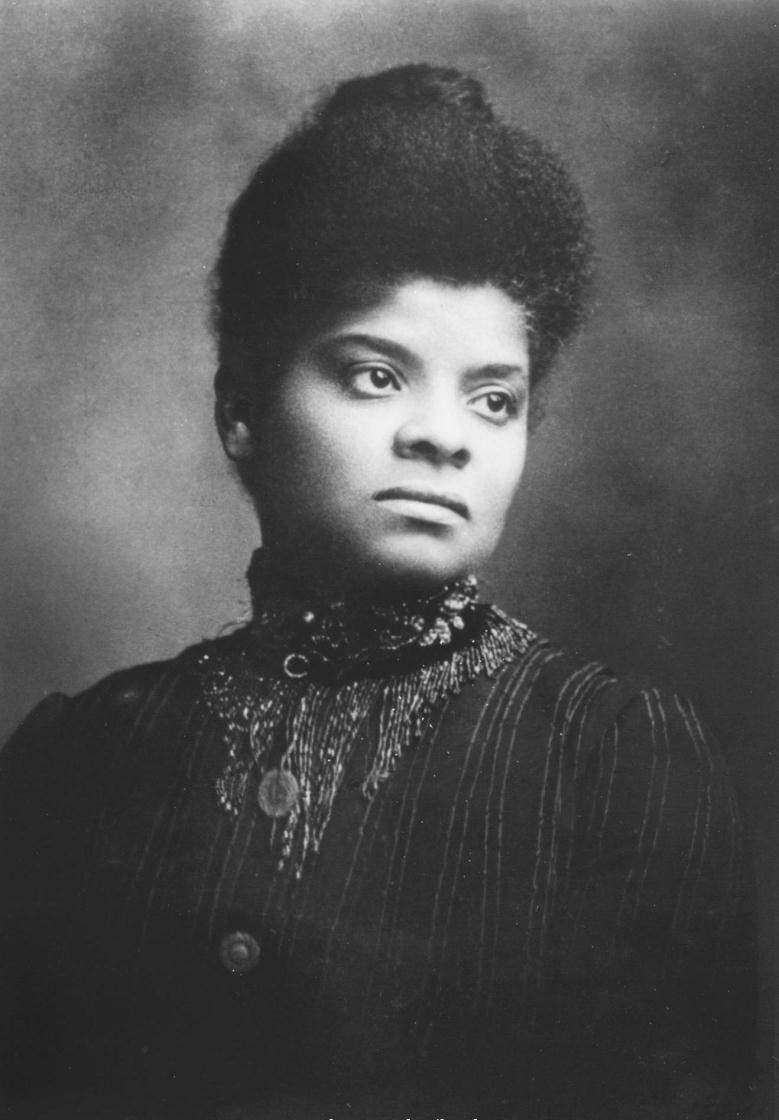
Ida Bell Wells-Barnett was an American investigative journalist, sociologist, educator, and early leader in the civil rights movement. She was one of the founders of the National Association for the Advancement of Colored People (NAACP). Wells dedicated her career to combating prejudice and violence, and advocating for African-American equality—especially for women.
- born
- July 16, 1862
- died
- March 25, 1931
- field
- Investigative journalism, civil rights activism, sociology
- nationality
- American
- known_for
- Documenting lynching of African Americans; co-founding the NAACP
Verified Timeline
Lore & Background
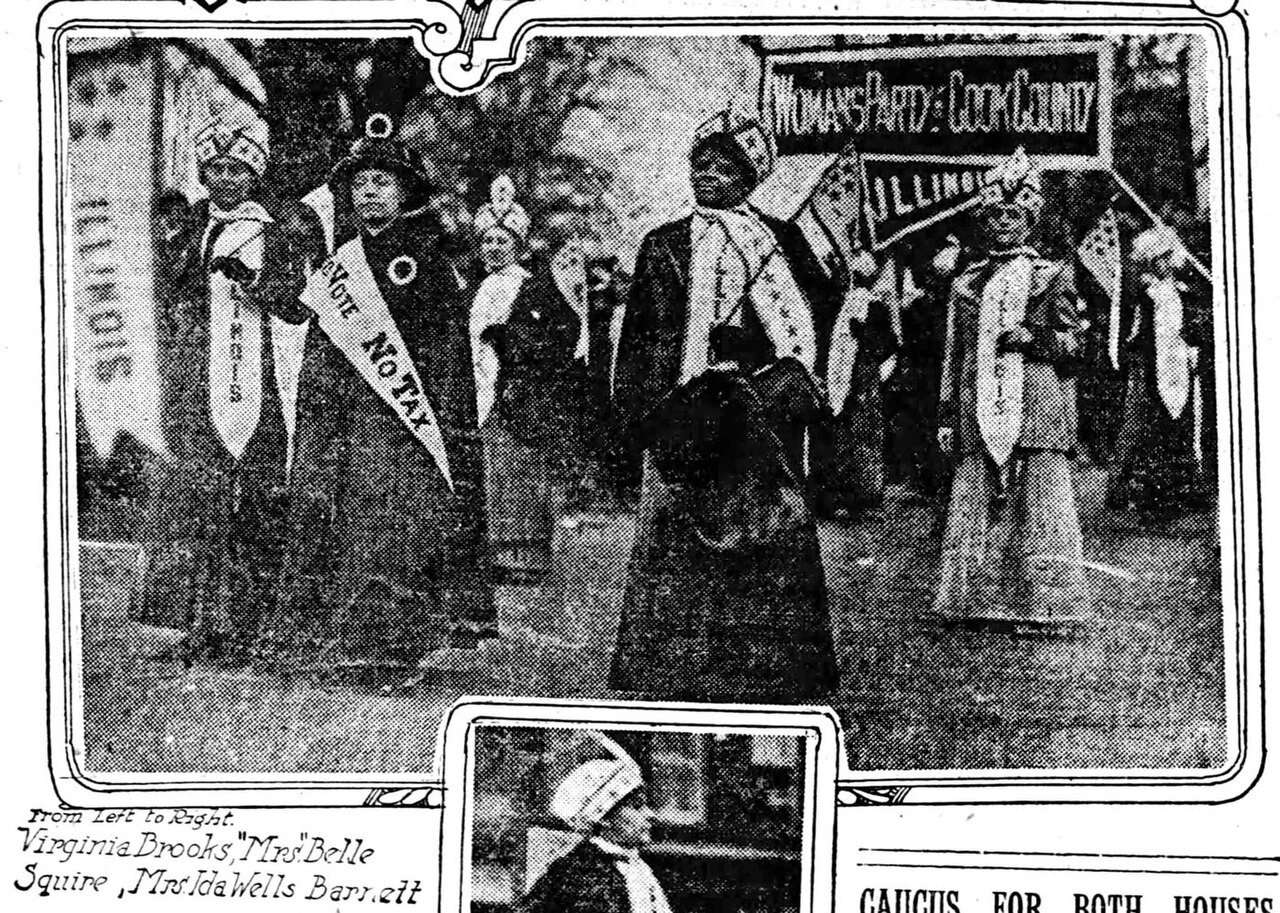
Ida B. Wells was born into slavery in Holly Springs, Mississippi, on July 16, 1862. She was freed as an infant under the Emancipation Proclamation when Union Army troops captured Holly Springs. At age 16, she lost both her parents and her infant brother in the 1878 yellow fever epidemic. She got a job teaching and kept the rest of the family together with the help of her grandmother, later moving with some of her siblings to Memphis, Tennessee. Soon, Wells co-owned and wrote for the Memphis Free Speech and Headlight newspaper, where her reporting covered incidents of racial segregation and inequality. Throughout the 1890s, Wells documented lynching of African-Americans in the United States in articles and through pamphlets such as Southern Horrors: Lynch Law in all its Phases and The Red Record, which debunked the fallacy frequently voiced by whites at the time – that all Black lynching victims were guilty of crimes. Wells exposed the brutality of lynching, and analyzed its sociology, arguing that whites used lynching to terrorize African Americans in the South because they represented economic and political competition—and thus a threat of loss of power—for whites. Subjected to continued threats and criminal violence, including when a white mob destroyed her newspaper office and presses, Wells left Memphis for Chicago, Illinois. She married Ferdinand L. Barnett in 1895 and had a family while continuing her work writing, speaking, and organizing for civil rights and the women's movement for the rest of her life. Wells was outspoken regarding her beliefs as a Black female activist and faced regular public disapproval, sometimes including from other leaders within the civil rights movement and the women's suffrage movement. She was active in women's rights and the women's suffrage movement, establishing several notable women's organizations. A skilled and persuasive speaker, Wells traveled nationally and internationally on lecture tours.
Reader's Guide
Ida B. Wells's significance lies in her pioneering investigative journalism that systematically documented and analyzed lynching in the United States during the 1890s. Through pamphlets like Southern Horrors: Lynch Law in all its Phases and The Red Record, she challenged the prevailing white narrative that lynching victims were criminals, instead revealing that lynching was a tool of racial terror used to suppress African American economic and political power. Her work provided a sociological framework for understanding racial violence and advocated for measures to stop it. Wells was also a founder of the NAACP, a key organization in the civil rights movement. Her activism extended to women's rights and suffrage, where she established notable women's organizations despite facing disapproval from some fellow activists. In 2020, she was posthumously honored with a Pulitzer Prize special citation 'for her outstanding and courageous reporting on the horrific and vicious violence against African Americans during the era of lynching.' Her legacy endures as a model of truth-telling in the face of threats and as a foundational figure in both civil rights and investigative journalism.
Did You Know?
- Ida B. Wells was born into slavery in Holly Springs, Mississippi, and freed as an infant under the Emancipation Proclamation when Union Army troops captured Holly Springs.
- At age 16, she lost both her parents and her infant brother in the 1878 yellow fever epidemic, then got a job teaching to keep her remaining siblings together.
- In 1884, Wells sued the Chesapeake and Ohio Railway after being forcibly removed from a first-class ladies car, winning a $500 award in local circuit court before the Tennessee Supreme Court reversed the decision in 1887.
- Wells co-owned and wrote for the Memphis Free Speech and Headlight newspaper, where her reporting covered incidents of racial segregation and inequality.
- She was posthumously honored with a Pulitzer Prize special citation in 2020 for her courageous reporting on violence against African Americans during the era of lynching.
A Thinker and Activist of the Nineteenth Century
Ida B. Wells stands as a notable figure in the long American struggle for racial justice, recognized specifically as both a civil rights activist and a thinker. During the nineteenth century, she dedicated herself to the intertwined causes of emancipation, equality, and racial justice—goals that defined the era's most urgent moral questions. Her work was not a single act of protest but a sustained, strenuous effort spanning the decades from the 1850s through the 1880s, a period in which African American communities fought relentlessly for the right to equal treatment under the law and in daily life. Wells belonged to a generation that understood the fight for justice as both immediate and generational, pressing forward even when the broader society resisted. Her dual identity as a thinker and an activist suggests that her contributions extended beyond direct action into the realm of ideas, analysis, and the articulation of principles that would shape the movement's direction. In the landscape of nineteenth-century American history, she occupied a position of genuine significance, working alongside and in concert with others who shared her conviction that equality was not a privilege to be granted but a right to be claimed.
A Constellation of Reformers
Wells did not work in isolation. This grouping reveals that the nineteenth-century push for racial justice was not the work of a single hero but a collective, multi-voiced effort. Wells occupied her place within this wider network of thinkers and activists, each contributing their particular energy and perspective to a shared cause. That her name appears in the same list as these towering figures underscores the breadth and depth of the movement she helped sustain, and it reminds us that the struggle for equality was carried forward by many hands working in concert toward a common vision of a just society.
Three Decades of Strenuous Labor
The timeline of Wells's activism, as situated within the broader nineteenth-century movement, stretches from the 1850s through the 1880s—a span of roughly three decades during which African American communities labored strenuously for the cause of equal treatment. This was not a brief campaign or a single wave of protest; it was a sustained, grinding effort that demanded constant energy and resolve over years and even generations. The word "strenuous" captures the physical and emotional toll of such work in an era when the legal and social structures of the nation actively opposed the very equality that activists sought. Wells, as part of this cohort, contributed to a long arc of pressure that built momentum across the decades. The movement she was part of did not wait for a single dramatic moment to define its purpose; instead, it accumulated strength through persistent, day-to-day engagement with the questions of emancipation, equality, and racial justice. This multi-decade commitment means that the groundwork laid in the 1850s, 1860s, 1870s, and 1880s created a foundation upon which later generations of activists would eventually build, making the labor of that era indispensable to the broader American story of civil rights.
A Legacy Long Overlooked
One of the most sobering aspects of Wells's historical position is the acknowledgment that her contributions, and those of her contemporaries, are not often highlighted in mainstream American history. Wells belongs to that earlier, less-celebrated chapter. Yet the historical record makes clear that the push for emancipation, equality, and racial justice was well underway from the 1850s onward, carried forward by thinkers and activists who labored for equal treatment long before the mid-twentieth century. To recognize Wells as a notable figure in this lineage is to correct a gap in public memory. Her place among the great names of the movement—Douglass, Tubman, Truth, Du Bois, Washington—reminds readers that the arc of American racial justice did not begin in 1955 but was forged, with great difficulty and over many decades, by those who came before.
Gallery


Frequently Asked Questions
Who is Ida B. Wells?
Ida B. Wells (1862–1931) was an American investigative journalist, educator, and sociologist who became a leading voice in the early civil rights movement. She is best known for her fearless reporting on racial violence and her advocacy for Black equality, particularly for women.
What was Ida B. Wells's main role or contribution?
She used in-depth investigative journalism to meticulously document the lynching of African Americans, turning her reporting into a direct challenge to the systemic violence of the era. Her work combined journalism with sociological analysis to expose patterns of racial terror.
How did Ida B. Wells's story end?
She died on March 25, 1931, in Chicago, having spent decades as a tireless advocate against prejudice. Her legacy endured through the organizations she helped build and the standards she set for activist journalism.
Why is Ida B. Wells important?
She demonstrated that rigorous, evidence-based reporting could be a powerful weapon against institutional racism, especially in defending Black women who were often erased from the public narrative. Her activism helped lay the organizational groundwork for the modern civil rights movement.
What organization did Ida B. Wells help found?
She was a co-founder of the National Association for the Advancement of Colored People (NAACP), helping to shape one of the most consequential civil rights organizations in U.S. history.
More in Revolutionaries And Activists Of The Americas 25-26
Elsewhere in the Revolutionaries And Activists Of The Americas universe
Spotted an error? Know more?
This is a living reference — every entry is fact-audited, and reader corrections feed straight into our audit queue. Suggest an edit · See this site's audit record