
Huey P. Newton
Co-founder of the Black Panther Party and revolutionary activist.

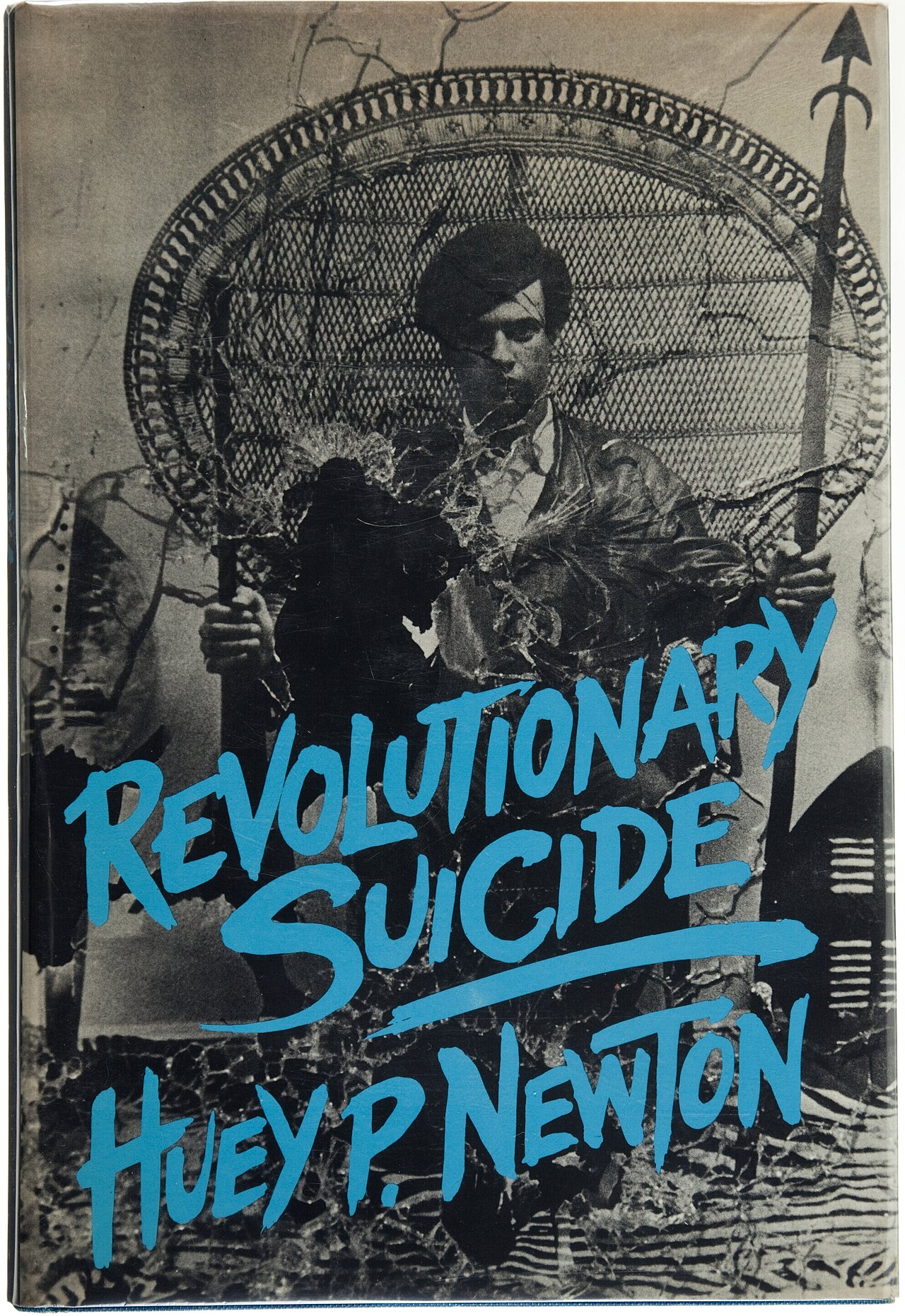
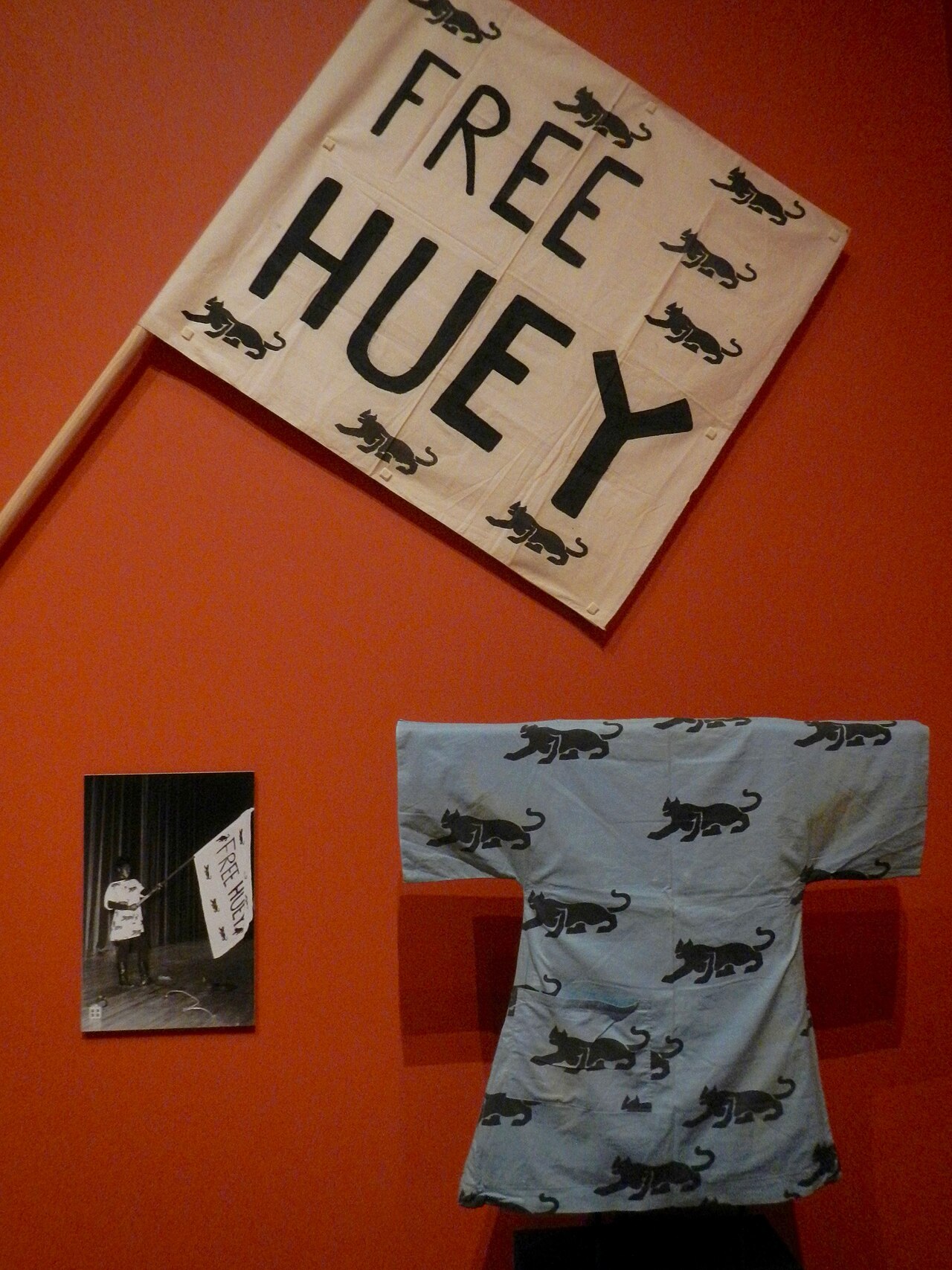
Jacket design not credited · Public domain
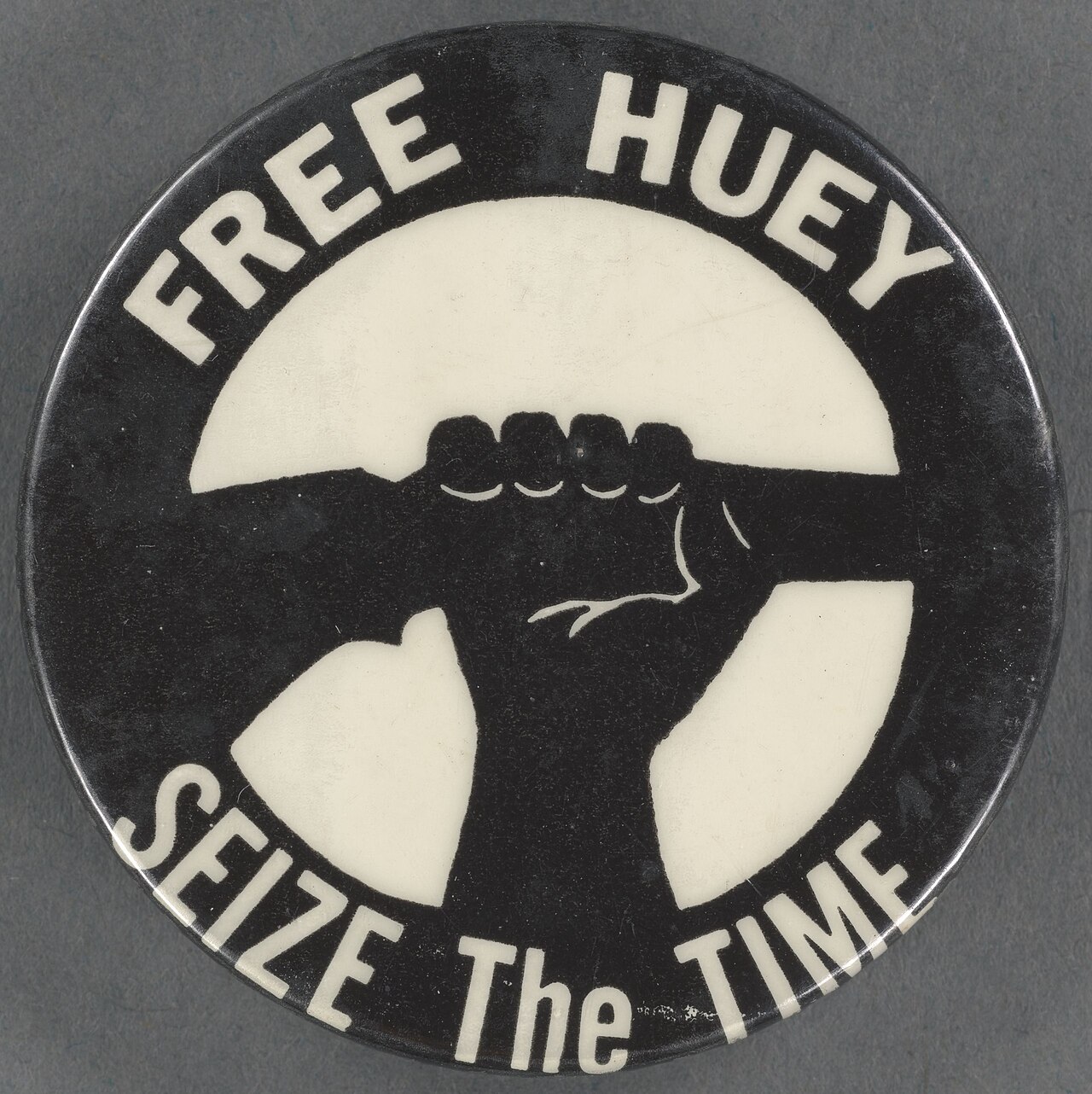
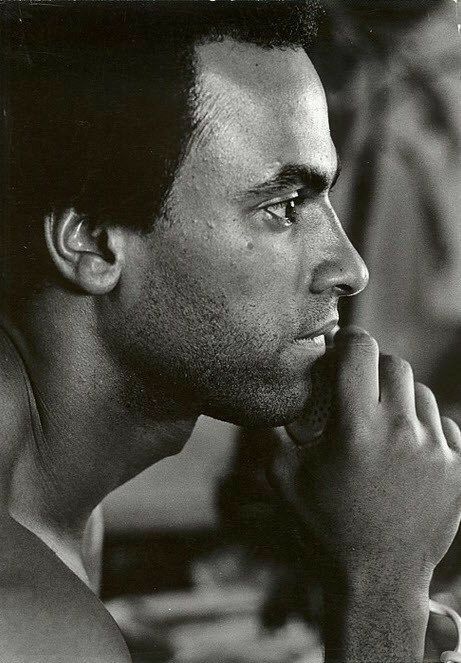
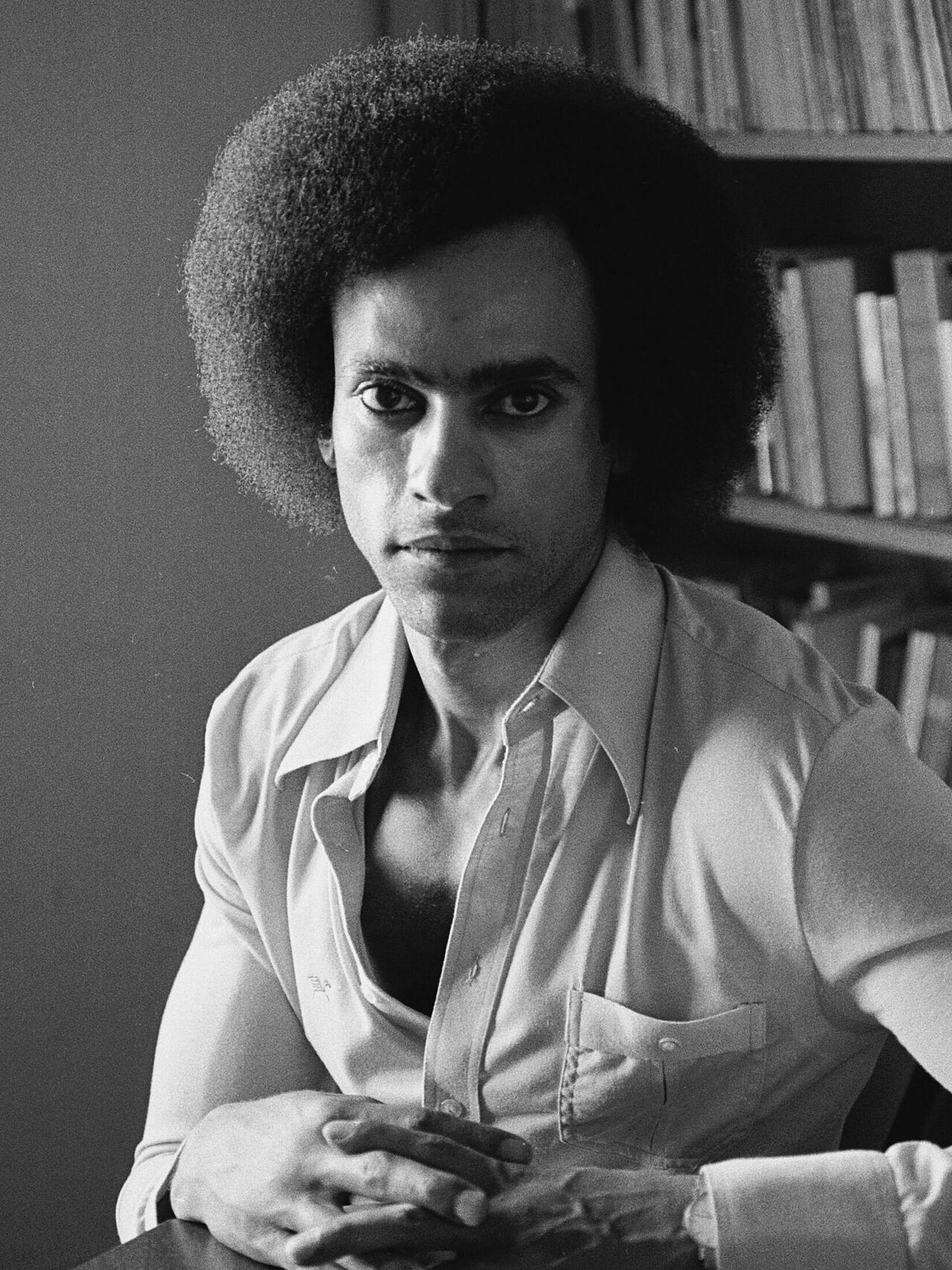
Huey Percy Newton was an African American revolutionary and political activist who co-founded the Marxist–Leninist political and militant organization the Black Panther Party (BPP) with Bobby Seale in 1966. He ran the party as its main leader and helped craft its ten-point manifesto. Under his leadership, the party organized numerous social programs and community events and advocated for collective defense. Newton stated that Plato's Republic influenced his philosophy of activism. He went on to earn a PhD in social philosophy from the University of California, Santa Cruz's History of Consciousness program in 1980.
- born
- February 17, 1942
- died
- August 22, 1989
- field
- Revolutionary, political activist
- nationality
- American
- known_for
- Co-founding the Black Panther Party
Verified Timeline
Lore & Background
Newton was born in Monroe, Louisiana, in 1942 during World War II, the youngest child of Armelia Johnson and Walter Newton, a sharecropper and Baptist preacher. His parents named him after Huey Long, a former Governor of and United States Senator from Louisiana. To escape the violence of Louisiana, the Newton family migrated to Oakland, California, participating in the second wave of the Great Migration of African Americans out of the South. Newton graduated from Oakland Technical High School in 1959 while being functionally illiterate. He later learned to read through the help of his older brother Melvin Newton reading him poetry as well as studying Plato's Republic. He attended Merritt College, where he earned an Associate of Arts degree in 1966. There he met Bobby Seale, with whom he co-founded the Black Panther Party for Self Defense in October 1966. Newton continued his education, studying at San Francisco Law School and the University of California, Santa Cruz, where he earned a bachelor's degree. In 1980, he completed a PhD in social philosophy at Santa Cruz.
Reader's Guide
Huey P. Newton's significance lies in his role as co-founder and main leader of the Black Panther Party. Under his leadership, the party organized numerous social programs and community events, including over 60 community support programs renamed 'survival programs' in 1971, such as food banks, medical clinics, sickle cell anemia testing, prison busing for families of inmates, legal advice seminars, clothing banks, housing cooperatives, and their own ambulance service. The most famous was the Free Breakfast for Children program which fed thousands of impoverished children daily during the early 1970s. Newton also co-founded the Black Panther newspaper service, which became one of America's most widely distributed African-American newspapers. Newton adopted what he termed 'revolutionary humanism.' He was tried for, but ultimately not convicted of, the criminal homicides of a police officer and a prostitute. He was convicted of, and incarcerated on separate occasions for, weapons and embezzlement offenses. He was accused of rape, and complicity in other targeted violence. He was murdered in 1989.
Did You Know?
- Newton was named after Huey Long, a former Governor of and United States Senator from Louisiana.
- He graduated from Oakland Technical High School in 1959 while functionally illiterate, and later learned to read by studying Plato's Republic.
- Newton earned a PhD in social philosophy from the University of California, Santa Cruz's History of Consciousness program in 1980.
- While in prison in 1978, Newton met evolutionary biologist Robert Trivers and they later co-published an analysis of the role of flight crew self-deception in the 1982 crash of Air Florida Flight 90.
- Newton was tried for but not convicted of the criminal homicides of a police officer and a prostitute.
Forging the Black Panther Party
In October 1966, while still a student at Merritt College in Oakland, Newton and Bobby Seale launched the Black Panther Party for Self Defense out of what Newton later described as a casual conversation. Seale took the chairmanship while Newton assumed the role of minister of defense, and together they drafted the organization's Ten-Point Program, which laid out demands for better housing, employment, and education for African Americans. Under Newton's direction, the party grew into a force of national and international prominence, embedding itself in the broader Black Power movement of the 1960s and 1970s. He oversaw the creation of more than sixty community support programs—later rebranded as survival programs in 1971—that included food distribution, medical clinics, and sickle-cell screening. The Panthers also made headlines for their confrontational tactics, such as marching into the California Legislature fully armed to oppose a bill that would have disarmed them. Newton openly credited Malcolm X as a foundational influence, calling the party a living testament to that legacy, and he maintained that the threat of force could be a necessary instrument of social change.
From Illiteracy to Doctorate
Newton left Oakland Technical High School in 1959 still functionally illiterate, a fact he acknowledged candidly in his autobiography. His older brother Melvin became his first real teacher, reading poetry aloud and walking him through Plato's Republic, a text that Newton said fundamentally reshaped his worldview and set him on a path of relentless questioning. That intellectual awakening carried him through Merritt College, where he earned an associate degree in 1966, and into a voracious reading of Marx, Lenin, Frantz Fanon, Che Guevara, Émile Durkheim, and Mao Zedong. He also followed political developments in China after Mao's 1963 statement supporting African Americans. Newton went on to study at San Francisco Law School and then at the University of California, Santa Cruz, where he completed a bachelor's degree. In 1978, while incarcerated, he connected with evolutionary biologist Robert Trivers through a reading course in the History of Consciousness program; the two became close friends and co-authored an analysis of the 1982 Air Florida Flight 90 crash. Newton ultimately earned his PhD in social philosophy from Santa Cruz in 1980, a remarkable arc from a teenager who could barely read to a doctor of philosophy.
A Life Haunted by the Law
Newton's relationship with the American legal system was fraught and ultimately fatal. He stood trial for the criminal killings of a police officer, John Frey, and a prostitute, but was never convicted of those homicides. During that trial he told the court that he had first learned to read by studying Plato's Republic, a detail that underscored how central that text had become to his identity. On separate occasions, however, he was found guilty of weapons violations and embezzlement, and served prison time for both. Beyond those convictions, Newton faced accusations of rape and of complicity in other acts of targeted violence, charges that cast a long shadow over his public image even as his political work commanded attention. His life ended abruptly on August 22, 1989, when he was murdered, cutting short what might have been further chapters in his intellectual and political life. The combination of unproven grave accusations, confirmed lesser convictions, and a violent death made Newton's legal record one of the most contested and tragic in the history of the Black Power movement.
Roots in the Deep South
Newton was born on February 17, 1942, in Monroe, Louisiana, the youngest child of Armelia Johnson and Walter Newton, a sharecropper who also served as a Baptist preacher. His parents chose his name in honor of Huey Long, the state's former governor and U.S. senator. The surrounding Ouachita Parish carried a long history of racial violence stretching back to the Reconstruction era, a reality that would eventually push the Newton family north. Joining the second wave of the Great Migration, they settled in Oakland, California, where the household was close-knit but financially strained, and the family relocated repeatedly across the San Francisco Bay Area during Newton's formative years. He insisted he never lacked food or shelter, yet his teenage years were marked by multiple arrests, including one for gun possession and vandalism at just fourteen. He later recalled that Oakland made him feel ashamed of his Blackness, and in his autobiography he described public-school teachers who did nothing to nurture his curiosity, nearly extinguishing his desire to learn before Plato's Republic reignited it.
Gallery
Frequently Asked Questions
Who is Huey P. Newton?
Huey Percy Newton (1942–1989) was an African American revolutionary and political activist best known for co-founding the Black Panther Party in 1966 together with Bobby Seale. He went on to serve as the organization's principal leader and ideological voice.
What role did Huey P. Newton play in the Black Panther Party?
Newton acted as the BPP's chief strategist and public face, helping to draft the party's ten-point program and directing its armed self-defense patrols as well as its free-breakfast and community-health initiatives. He was the figure most associated with articulating the party's Marxist-Leninist political line.
How did Huey P. Newton's life end?
Newton died on August 22, 1989, at the age of forty-seven, after a prolonged battle with cancer that had been complicating his health for several years.
Why is Huey P. Newton important in the history of American activism?
He is widely regarded as the intellectual architect of the Black Panther Party, translating radical political theory into concrete community programs and a disciplined organizational structure. His advocacy for collective self-defense and grassroots empowerment influenced a generation of activists across the Americas.
What political philosophy guided Huey P. Newton and the BPP?
The Black Panther Party operated within a Marxist-Leninist framework, and Newton emphasized class struggle, revolutionary internationalism, and the right of oppressed communities to organize armed self-defense. His writings and speeches consistently linked local issues—policing, housing, education—to broader systemic critique.
More in Revolutionaries And Activists Of The Americas 25-26
Elsewhere in the Revolutionaries And Activists Of The Americas universe
Spotted an error? Know more?
This is a living reference — every entry is fact-audited, and reader corrections feed straight into our audit queue. Suggest an edit · See this site's audit record